
Read time: 5min
Join 23,111 Good Busy leaders
"The first twenty steps outside the meeting room indicate how well it went." - Lee Sampson
Hi,
How was your last week?
“My calendar is full of meetings.”
When was the last time you said this? I used to say it all the time. And you know what? My calendar is still full of meetings. Everyone’s calendar is full of meetings.
And that’s normal. A meeting is a communication tool. If you’re working with people you have to communicate: DM, email, call, or meet. It’s that simple.
The problem is not that we meet. If we didn’t, it would be a whole different problem, it would be worse — and you know that. The problem is what’s happening when we meet.
Why share this with you?
Because I open every session of my program with one question: what did you experiment with since last time we met?
In June, one leader said: “I stopped joining meetings where I’m clearly not needed. And nobody complained. It’s a big win.”
Notice what they didn’t say. They didn’t say “I declined ALL meetings”. That default is unrealistic. Until you stop working with people (and I sincerely hope that’s a long way off), you’ll need to communicate.
So today, I’m sharing exactly what I share in the program so you can free up room in your calendar from meetings that aren’t worth your time. With help from the brilliant illustrations of Lee Sampson, who I met a few years ago on LinkedIn.
the why
The problem you need to solve is not the quantity of meetings, but their quality.
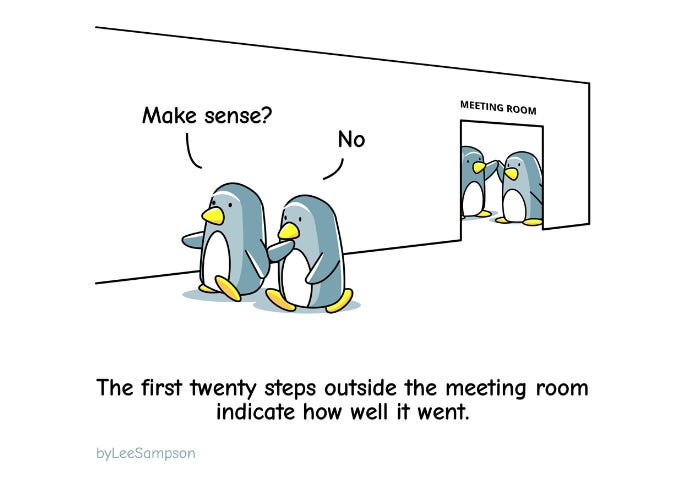
Most meetings are of poor quality. That’s why they multiply like bed bugs. But the 5 most common reasons for poor meeting quality are easy to solve.
1. No goal
I ask leaders I work with to look at their calendar that week and count meetings with no stated goal. The answers vary between 20-80%. Check yours now.
If there’s no goal in the invitation, reach out and ask, or set yours — your own reason to join that meeting. No goal, no reason to attend. Nothing good will happen inside that meeting.
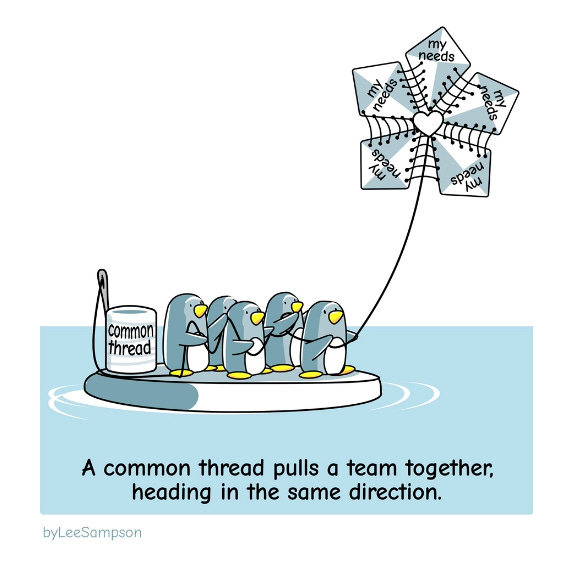
2. No preparation
Leaders I work with say over 90% of meetings receive no preparation. That’s why the right people aren’t in the room, others feel they’re not needed, decisions don’t happen because the information is missing, and you need another meeting. About this meeting.
If there’s no preparation requested, ask what’s needed or prepare what you think will help reach the goal.
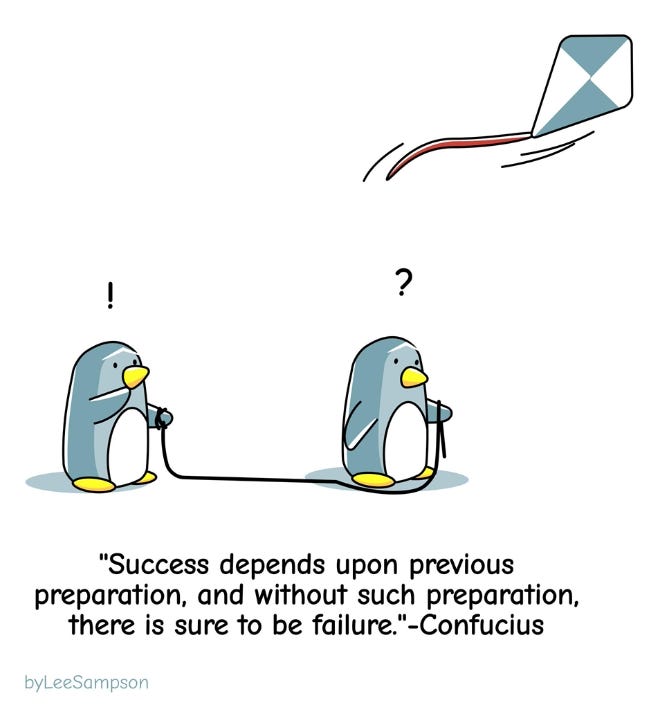
3. No clear game plan
In my experience (and that of my clients), up to 80% of meetings have no clear agenda. The ones that do are often overambitious and ambiguous listicles: introduction, status update, questions. An agenda is list of max 5 items — the exact things to discuss to reach the goal. But this circles back to reason 1: no goal.
If there’s no agenda, ask for one, or propose one.
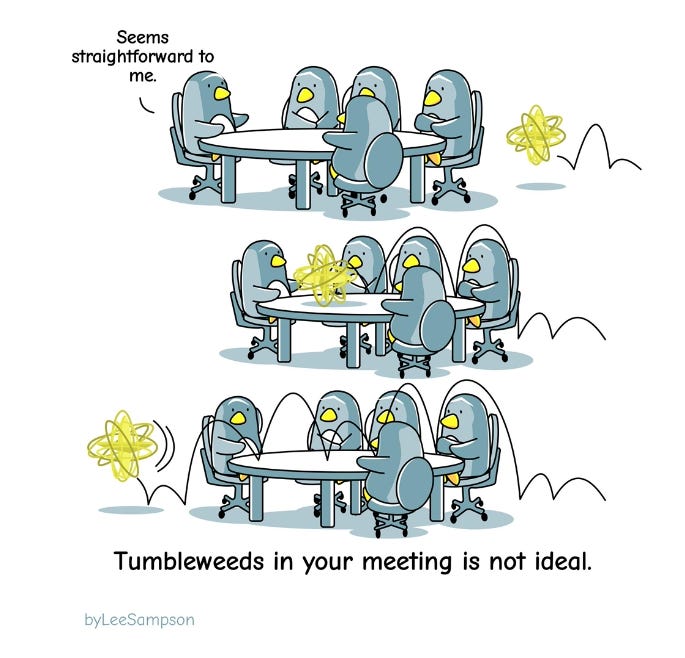
4. No focus
Nobody is listening, because nobody has a reason to: no goal, no preparation required, ambiguous or no agenda. One person presents slides, others multitask telling themselves they’ll watch the recording or read the AI transcript they have no time to watch or read.
A clear goal, preparation, and agenda give everyone a reason to be there. That’s when meetings become worth attending for everyone involved.
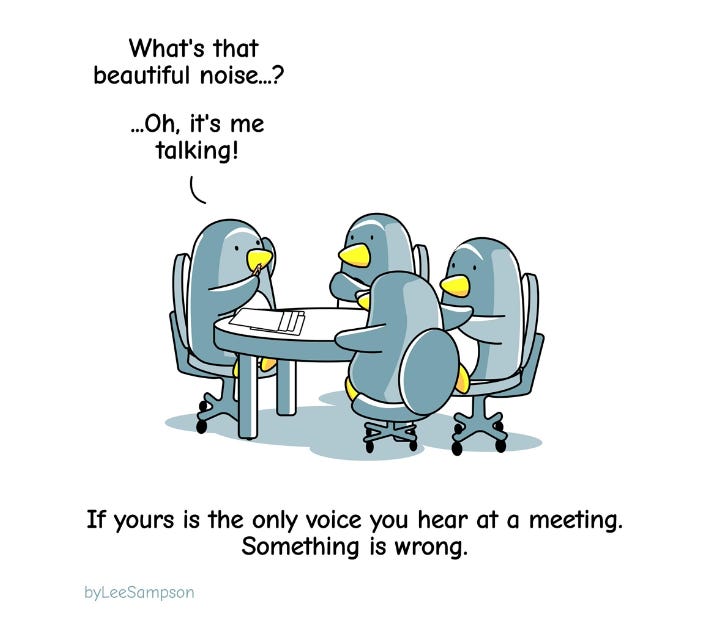
5. No reflection
Everyone complains about useless meetings. But who opens the conversation to make them useful?
Just like you ask your clients or suppliers for feedback, end each meeting with a 2-minute feedback conversation: what worked today, what didn’t? Not whose fault is it. Define together what a good meeting looks like, so the next is actually a Good Busy one.
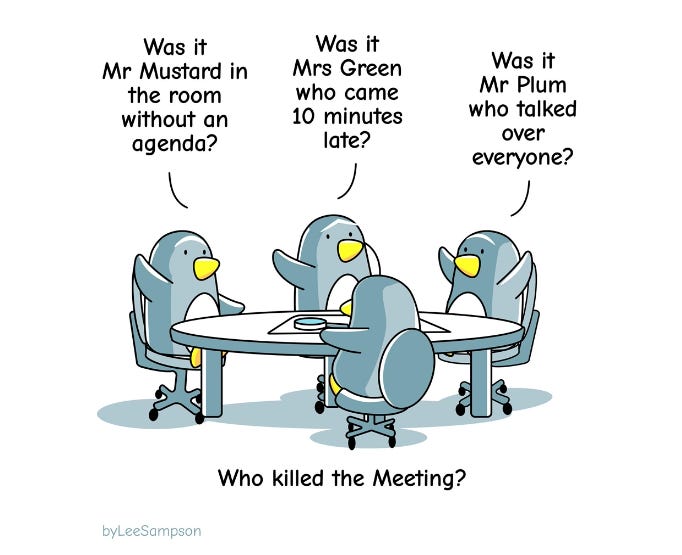
the how
These are the 5 reasons your calendar is full of meetings. It’s that simple. But simple often doesn’t look effective, so we don’t even try — and keep searching for complicated.
There’s no need for new tech and no-meeting Fridays to free up time from meetings that simply shouldn’t exist.
Try it. Simple works. Flip the reasons into questions and you got the five questions of The Good Busy framework:
What’s my (our) end goal?
What can I (we) prepare?
What’s my (our) game plan?
What’s my (our) ONE next thing to do to reach the goal?
What do I (we) keep? What do I (we) toss?
That’s how you raise the quality of your meetings. And then — and only then — the quantity takes care of itself and you finally have room in your schedule.
___
Each newsletter takes me on average 5 hours to write.
If it’s helping you, consider upgrading to support my work. You’ll also get access to 8 mini courses (each under 8min) and live conversations.
your play of the week
Fix your meeting quality 🔝
This week, pick just one meeting. Run it through the 5 questions of The Good Busy framework before you accept or before it starts. Experiment.
Maybe you’ll free up one hour a week (that’s already win), or a few like the participant of my program did last month. Another one said people started thanking them for changing their meeting culture.
If you’re ready to actually free up time from work that simply shouldn’t exist, The Good Busy Reset will take you there step by step.
Because nothing changes if nothing changes. Complaining about a calendar full of meetings doesn’t give you back your time.
23,000+ leaders are freeing up time from work that shouldn’t exist with The Good Busy Newsletter. If it helps you, refer it to a friend.
I know productivity - not illustrations. Stickman figures by Zdenek Sasek.
Thank you for being here.
See you next Monday,
Kate
Founder, TheGoodBusy.com

PS: Some work simply shouldn’t exist. Master Good Busy and free up that time for work you’re proud of and what (and who) you love after work.
Here’s how I can help:
See how Good Busy works in my free workshop
Free up 8+ hrs/week from bad busy work inside The Good Busy Reset
Help your teams free up time from work that shouldn’t exist - custom workshop or coaching
We can be so meeting happy that nothing can be done without them. Sometimes of function of remote work. But they can certainly get out of control.
The best bit about being self-employed is not having unnecessary meetings! Everything has to have a purpose. It's interesting to listen to those in the public sector and how they quantify their jobs: the number of meetings they have and the emails they send! No wonder productivity has dropped. It's organised despair.