
Read time: 5min
Join 23,000+ Good Busy leaders
“Life does not get better by chance, it gets better by change." - Jim Rohn
Hi,
How was your last week?
Let’s do a quick experiment.
Think of your first day at your current job. From 0 to 10, how excited were you to start?
Now bring yourself to this morning. From 0 to 10, how excited were you to open your laptop?
Is there a difference?
There’s a good chance your excitement faded — unless it’s still your first few weeks. The spark you felt then isn’t quite what you feel now.
And it’s not because of the overwhelming number of meetings, your double- or triple-booked calendar, or the lack of decisions in the room. It’s because of something called The Adaptation Effect.
Why share this with you?
Because you experience it more often than you realize, and not just at work, but everywhere in your life.
Understanding what it is, why it happens, and how to work with it will make you a happier, more intentional version of yourself in the office and beyond. Because you’ll free up time from meetings and other work that shouldn’t exist.
the why
“Everything I complain about today, I begged for just 3 years ago.”
An acquaintance said this to me a few months ago. In a nutshell, that’s the adaptation effect. It’s our psychological wiring to become immune to a repeated stimulus.
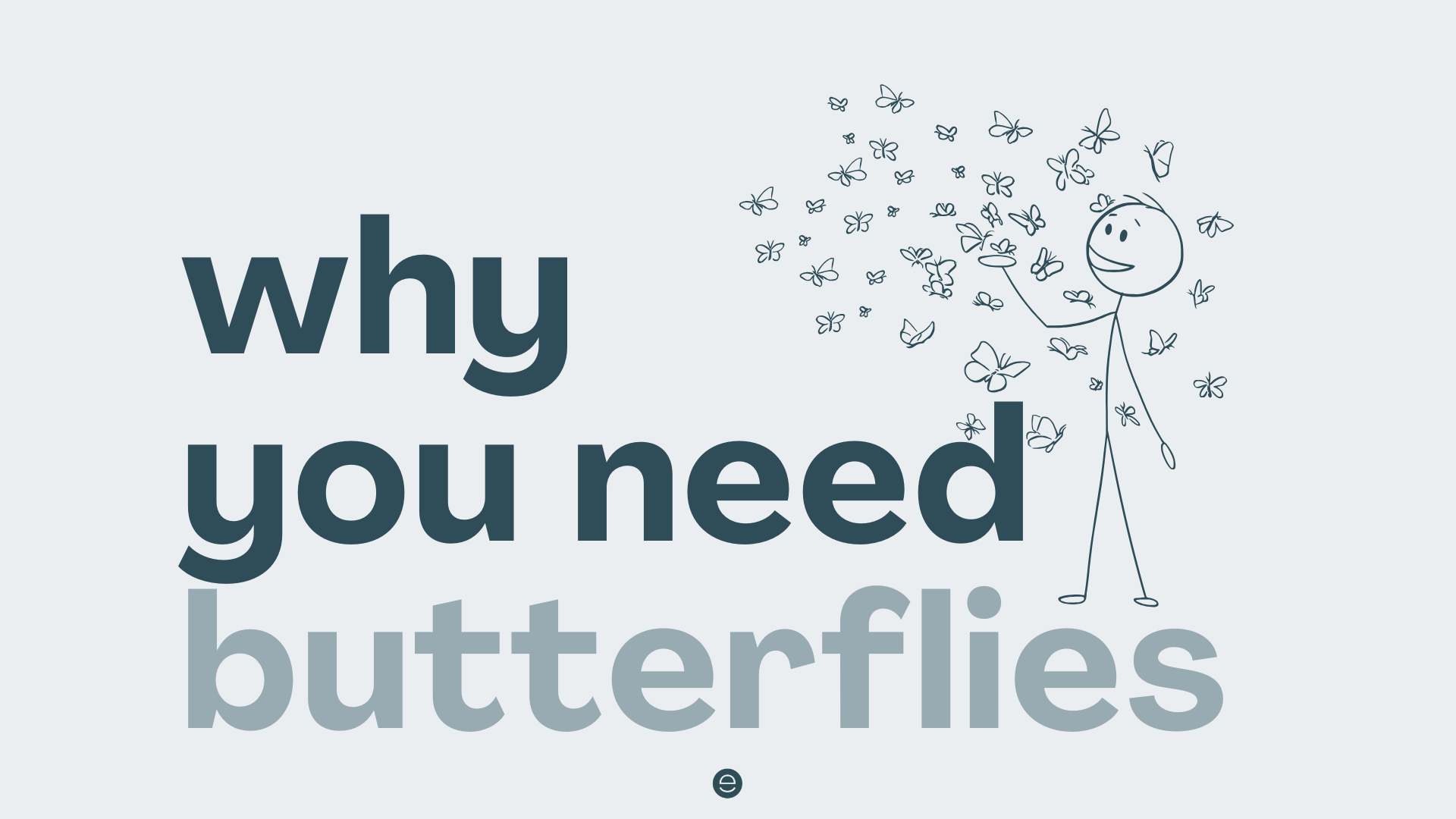
New things excite us. We get butterflies. Then, with time, we stop reacting to it because the new turns into the same old thing. We adapt.
It happens in relationships — the honeymoon phase. It happens when you move to a new country, and then it becomes routine. I lived in 11 countries. I know the feeling.
It happens when you start a new job. Years ago, every morning on the way to work I looked outside the train window, mesmerized by this view. A few months into the job, I stopped noticing it. The rare times I did, I’d sigh heavily: “Oh no. Arrived already.”

And here’s what makes it relevant to your work: when you’re excited, you feel the spark, the butterflies, you notice things. You question things:
Why do we have this meeting?
Why don’t we have a system for this?
Why are we still using this 10-year-old complicated process?
Then you stop questioning. And what once was unproductive, illogical, and outdated becomes normal. It becomes normal to do work that simply shouldn’t exist.
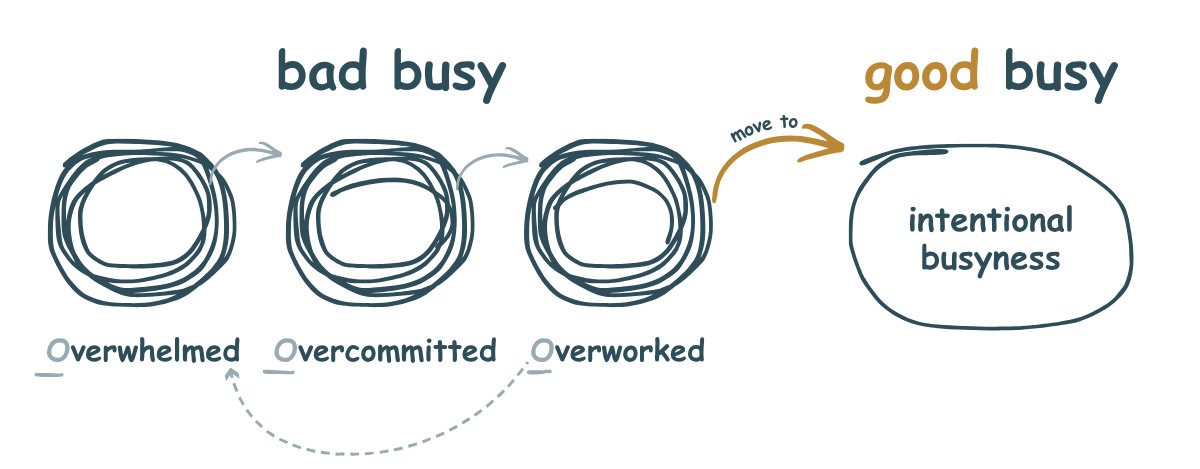
Work you’re not proud of. Work you might even despise because you’re late for your kids’ recital, almost never make it to your favorite gym class, and that book on your nightstand is collecting dust. Because that work keeps you busy. Bad busy.
I know the feeling. I did a lot of that work in 15 years in corporate. I burned out because of it. And suffered from ocular migraines because of it: your head pounds like a drumbeat and on top of it your vision disappears — you’re in the dark.
I also know that bad busy work can be removed. That time can be freed up. But only if you bring back the butterflies.
the how
Justin Bariso, emotional intelligence coach and author of EQ Applied, and I spoke about The Adaptation Effect. A few weeks ago, he shared 3 ways to bring back the butterflies in an article on Inc.com.
Two of them are anchored in asking more and better questions.
The first is an improvement review: looking at what’s working and what’s not. Regularly, intentionally, before the adaptation takes root too deep. And you can do it in less than 10 minutes a day.
The second is mindful reflection and journaling: pausing to notice what you’ve stopped noticing. What once felt wrong and now feels normal.
If you don’t know where to start, try my free 5-minute productivity scan to reflect on 8 areas of your work where that bad busy work — work that shouldn’t exist — hides and where the adaptation effect tends to settle fast. (No email required, completely anonymous. Just screenshot your results.)
The Adaptation Effect is human, but it makes you reactive to everything that overwhelms your day and overcommits your calendar. It keeps you bad busy.
Good Busy is proactive, mindful, intentional. It requires more and better questions, so you can make better decisions: appreciate what’s working, remove what’s not. So you can feel the butterflies again.
Each edition of The Good Busy Newsletter takes me on average 5 hours to write.
If it’s helping you, consider upgrading to support my work. You’ll get access to mini courses (each under 8min) and live conversations (next one in September).
your play of the week
Bring back the butterflies 🦋
This week, ask yourself questions you normally don’t:
Read Justin’s article and pick one from the list.
Or try my 5-minute productivity scan.
If you’re ready to actually free up time from work that simply shouldn’t exist and make time for what and who you love, The Good Busy Reset will take you there step by step.
Because nothing changes if nothing changes. The butterflies don’t come back by chance. They come back because you chose change.
23,000+ leaders are freeing up time from work that shouldn’t exist with The Good Busy Newsletter. If it helps you, refer it to a friend.
I know productivity - not illustrations. Stickman figures by Zdenek Sasek.
Thank you for being here.
See you next Monday,
Kate
Founder, TheGoodBusy.com

PS: Some work simply shouldn’t exist. Master Good Busy. Free up that time for work you’re proud of and what (and who) you love after work — reset your work-life balance for good.
Here’s how I can help:
See how Good Busy works in my free workshop
Free up 8+ hrs/week from bad busy work inside The Good Busy Reset
Help your teams free up time from work that shouldn’t exist - custom workshop